CBT-Cognitive Behavioral Therapy-A type of psychotherapy in which negative patterns of thought about the self and the world are challenged in order to alter unwanted behavior patterns or treat mood disorders. CBT is a talking therapy that can help you manage your problems by changing the way you think and behave. Resource: Overview-Cognitive Behavioral Therapy (CBT)
In addition to being an effective way of treating depression and anxiety, CBT is designed to immediately improve your quality of life. It may help you change unhelpful or unhealthy ways of thinking, feeling, and behaving. Counselors, psychologists, mental health social workers, and therapists can all provide CBT, either in one-on-one therapy sessions, small groups, or online. Resource: Cognitive Behavuior Therapy (CBT) – Better HealthChannel
I cannot think of a brain injured person that does not eventually need CBT, if capable of learning. In my experience, after a brain injury, it is very difficult for survivors to accept their new selves and their deficits. I told myself I was stupid for 12 years into my recovery. I just could not grasp the fact that I was injured, and my thinking problems were not my fault. I didn’t ask for them, I cannot control them, and I am NOT stupid. I had gone to many counselors over the years. They just didn’t get it. Finally, the therapist I was seeing had a PhD in psychology and had a severely brain injured brother. I’m sorry he is injured, and I am oh so grateful for her experience with brain injuries, and the behaviors they can cause. Unfortunately, she moved away. But how grateful I am she was in my life for long enough to teach me I AM ENOUGH. We have tried counselors in person, many of them, and one’s that Veronica could see online. The problem for her is, she unfortunately cannot remember most of what they talked about as soon as their session ended. We started recording her online sessions, and a day or two later we would listen to the session again. This one extra step of recording the session made ALL the difference for her. We could stop it, discuss what was said, and restart the recording again. Relistening to the sessions helped. Many things talked about in one session would be repeated in other sessions, but I have to say, Veronica really did learn from this. Veronica wanted to be alone in counseling, and I had never allowed this before. However, once she began recording the sessions, I allowed her to. It was interesting because her memory is poor and she has dyschronometria, where she cannot tell if something happened today, yesterday, a week ago, or a month ago. It really doesn’t matter so much when things happened as much as just remembering that they happened. And sometimes she confabulates. I had to let her tell her version of the story and let it go. This was her experience. By being in a session alone, she felt independence. She was able to process the purpose she was in counseling for, and that’s what is so important.
The orbitofrontal cortex is a part of the frontal lobe. It helps us react to another person’s feelings. When this is injured, people lose the ability to feel empathy. Empathy is the ability to see things from another person’s perspective and feel what they feel. Other cognitive and behavioral problems that can accompany lack of empathy after a brain injury include:
- Childish behavior
- Apathy- lack of interest, enthusiasm, concern, or low motivation
- Disinhibition- inability to withhold an inappropriate, or unwanted behavior
- Aggressive Behavior
CBT therapists can teach people with brain injuries how to relearn empathy and critical nonverbal cues such as tone of voice and body language. Resource: Personality Changes After a Head Injury flintrehab.com
It is important to note that even though the person may display these behaviors they are not fully responsible for them. Family members and friends should try not to take anything their loved one says or does personally, during this time. Brain Injured people may experience alexithymia, which causes difficulty in identifying, describing, and processing ones own emotions and those of others. It also makes it hard to distinguish bodily sensations from emotional feelings. This can leave people to seem insensitive and non-empathic, when in fact they do experience the emotions of others. They just don’t know how to react.
Sometimes lack of empathy after a brain injury improves as their injury heals. Even if this does not occur naturally, it may still be possible to relearn empathy. It is a skill that can be improved with practice. Resource: Understanding Lack of Empathy After Brain Injury and How To Cope flintrehab.com For a person having a mild TBI, CBT can be well tolerated and may help recovery in individuals for chronic post concussive symptoms. CBT may not be suitable for people with more complex mental health needs or learning difficulties. Resource: Overview-Cognitive behavioral therapy (CBT)-NHS https://www.nhs.uk>mental-health
CBT has been helpful in the acute phase post-TBI and beyond in helping survivors to manage the anxiety, depressive symptoms, and insomnia that can be present following TBI. CBT is used to help regulate negative affect, consider alternative goals, and modify self-concept following brain injury. Resource: Adult Traumatic Brain Injury for Mental Health Professionals abct.org
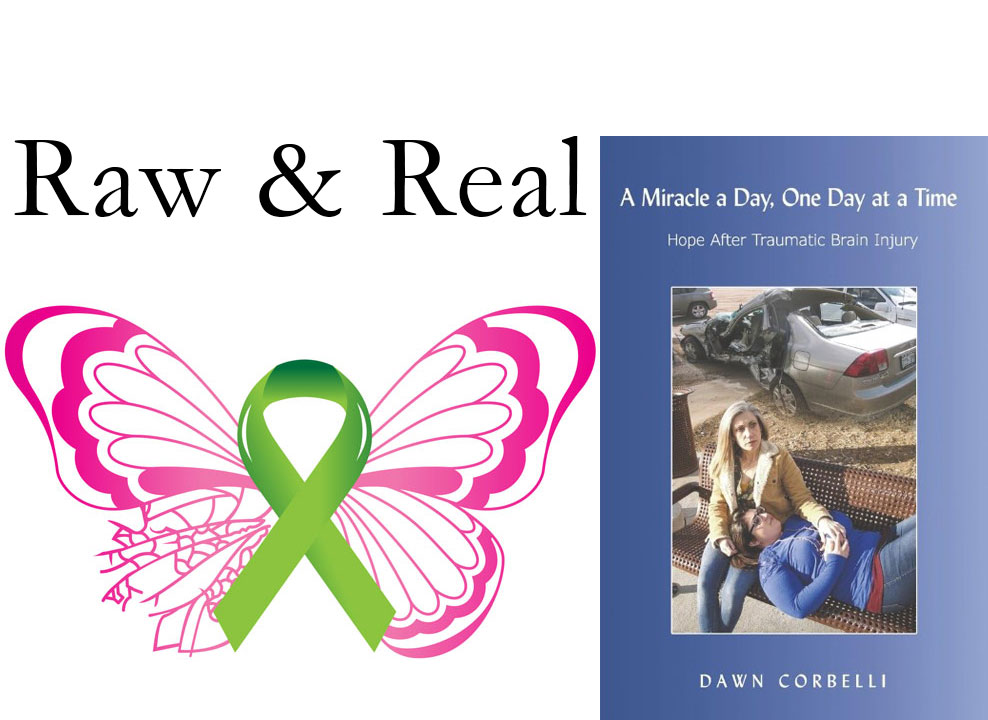
If you would like to learn more about the first 12 years of our recovery after Veronica’s and my brain injuries and become brain injury educated, please read my book. I do share why a person is not the same after a brain injury.
Please read my book titled,
A Miracle a day, One Day at a Time: Hope After Traumatic Brain Injury
https://store.bookbaby.com/book/a-miracle-a-day-one-day-at-a-time
and press the link above to take you directly there if you are interested in purchasing it.
Like, comment, and subscribe. If you subscribe you will automatically get my blog sent to your email each time I post a new one.
Don’t ever be afraid to get help. It is there to make your life easier, happier, and more manageable. And I know for myself, it has helped my life greatly.
Have a blessed week.

 Dawn Corbelli